The Cloud That Cut the Cable: Tan Mu's Eruption and the Island the World Forgot
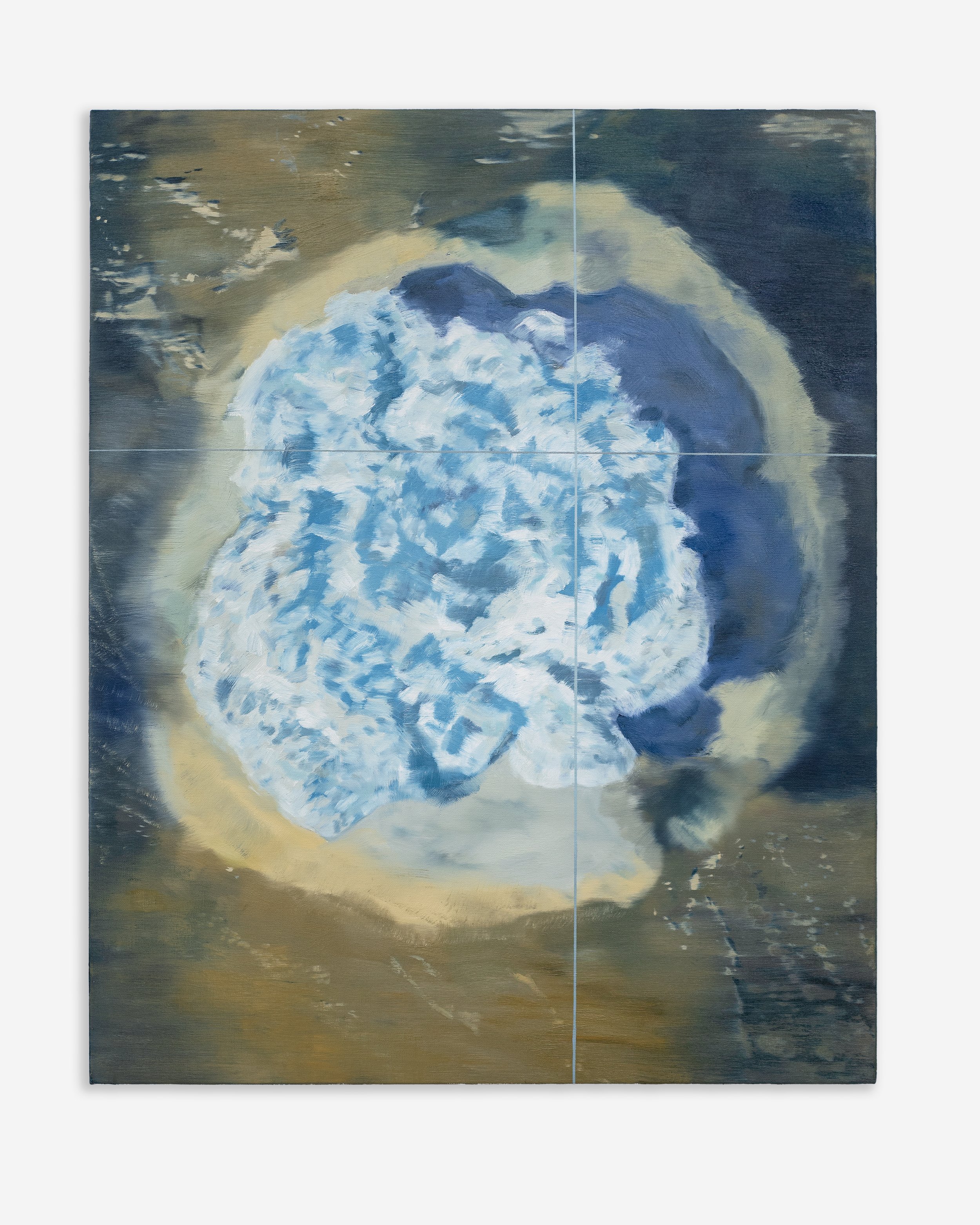
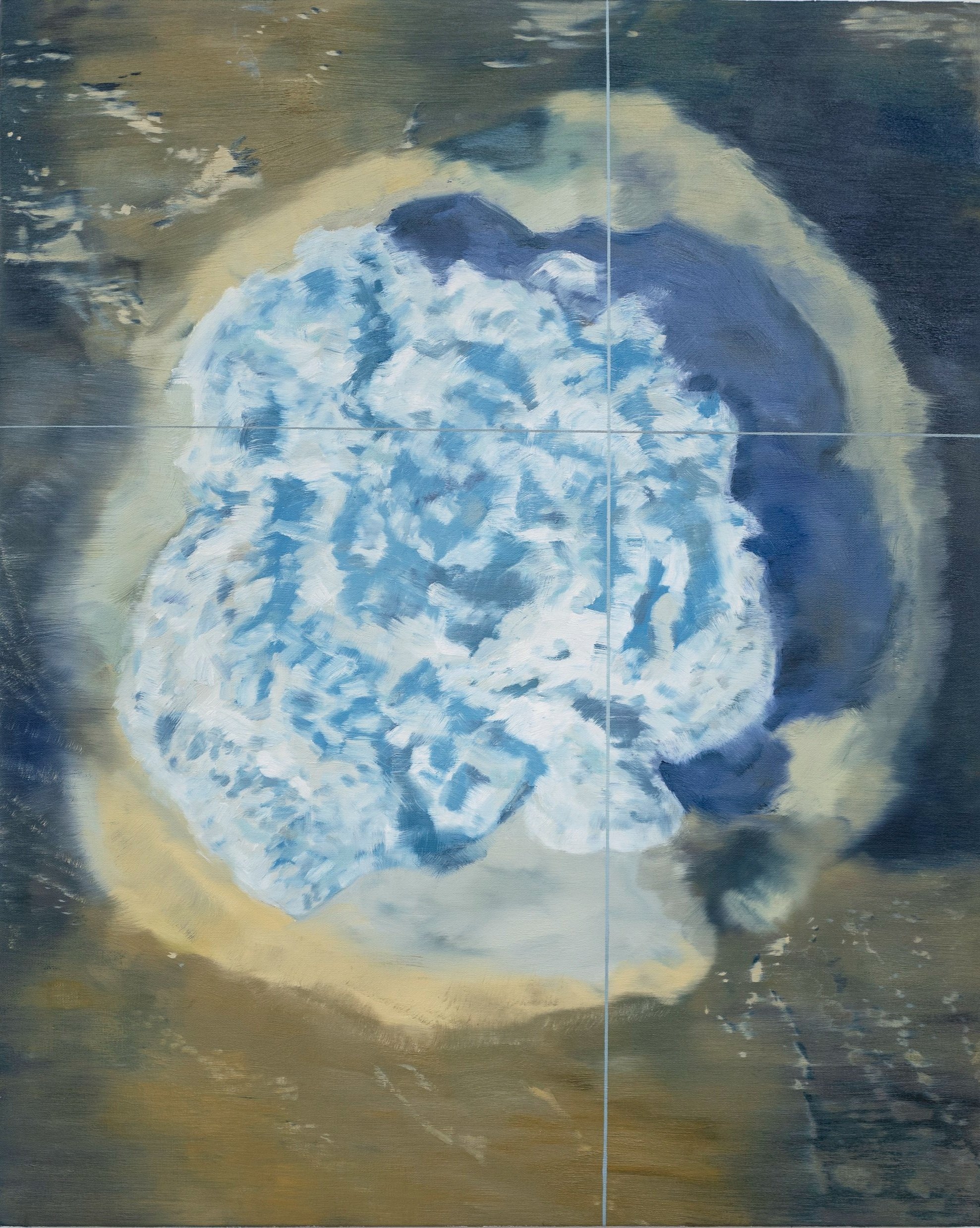
On January 15, 2022, at 5:14 PM local time, the Hunga Tonga-Hunga Ha'apai volcano, a submarine volcano in the South Pacific approximately 65 kilometers north of Nuku'alofa, the capital of Tonga, produced an eruption that registered as the most powerful volcanic event since the eruption of Mount Pinatubo in 1991. The explosion, which was heard in Fiji, more than 800 kilometers away, and in Alaska, more than 9,000 kilometers away, generated an ash plume that rose to an altitude of 39 kilometers, a tsunami that traveled across the Pacific Ocean and reached the coasts of Japan, Chile, and the western United States, and a shockwave that circled the globe multiple times, producing barometric fluctuations that were detected by weather stations in every country on Earth. The eruption also severed the single undersea cable that connected Tonga to the global internet, a fiber-optic cable laid along the ocean floor between Tonga and Fiji that carried all of the kingdom's telephone, internet, and financial data, and the severance, which was caused by the volcanic landslide that the eruption triggered on the flank of the volcano, cut Tonga off from the rest of the world for five weeks, during which the 106,000 residents of the island nation could not make or receive international phone calls, could not send or receive email, could not conduct international financial transactions, could not access cloud-based services, and could not communicate with relatives abroad, and the rest of the world, which learned of the eruption through satellite imagery and social media posts from neighboring countries, could not reach the island to assess the damage or offer assistance, and the isolation, which was the isolation of an entire nation cut off from the communication infrastructure that it had come to depend on for every aspect of its public and private life, was the isolation that Tan Mu chose as the subject of Eruption (2022), a painting that depicts the mushroom cloud of the volcanic explosion from an overhead perspective, overlaid with two intersecting lines that form a cross, representing the meteorogram and satellite grid that frame the event as an object of technological observation, and the painting, which translates the satellite image of the eruption into the medium of oil paint on linen, 76 x 61 cm (30 x 24 in), is not a depiction of a volcanic eruption in the tradition of landscape painting but a depiction of a communication event, a depiction of the moment when a geological force severed the cable that connected an island to the network that sustained it, and the mushroom cloud, which in the painting rises from the center of the composition in a billowing column of white and gray, is not the subject of the painting but the agent of the disconnection, the physical cause of the cable cut, the geological event that transformed a connected nation into an isolated one, and the cloud, which in satellite imagery appears as a circle of white expanding outward from the center of the frame, is in the painting a column of pigment, built up in layers of white and gray over a dark ground, that rises from the surface of the canvas like the plume that rose from the surface of the ocean, and the cross, which overlays the cloud and extends to the edges of the frame, is the grid of the satellite image, the coordinate system that positions the eruption in space and time, the technological apparatus that observed the event and transmitted the observation to the rest of the world, and the apparatus, which is the same apparatus that the undersea cable was part of, the same network that connected Tonga to the global internet, the same infrastructure that the eruption destroyed, is the apparatus that the painting both depicts and critiques, because the satellite that captured the image of the eruption was a satellite in orbit, connected to the ground by radio signals that passed through the same atmosphere that the ash plume was now filling, and the image that the satellite captured, which was transmitted to a ground station and then distributed across the internet, was an image of the eruption that the people of Tonga could not see, because the cable that carried the internet to their island had been cut by the eruption that the satellite was observing, and the image, which circulated around the world in seconds, could not reach the people who were at the center of the image, because the cable that connected them to the world had been severed by the event that the image depicted, and the severance, which is the subject of the painting, is the severance that the cloud caused, the severance that turned a connected nation into an isolated one, the severance that the satellite image, which the painting translates into oil paint, could not repair.
The painting is oil on linen, 76 x 61 cm (30 x 24 in), a vertical rectangle that is taller than it is wide, which gives the mushroom cloud room to rise from the base of the composition toward the top, and the cloud, which in the satellite image is a roughly circular plume of white and gray expanding outward from the vent, is in the painting a columnar form that begins at the bottom of the canvas and swells as it rises, narrowing slightly at the base, where the volcanic vent is located, and then expanding into a broad, rounded cap at the top, where the ash and water vapor have reached the upper atmosphere and spread outward in all directions, and the shape, which is the shape of the mushroom cloud that every nuclear test photograph and every volcanic eruption satellite image has made familiar, is rendered in the painting in a palette of whites, grays, and near-blacks, with no color at all, no blue, no green, no yellow, no red, nothing that would identify the event as a volcanic eruption rather than a nuclear explosion, and the absence of color, which Tan Mu has described as a deliberate choice, a way of "stripping away the familiarity of the visible world," so that "familiar environments become strange, and what we think we understand begins to operate within a different system," is a choice that aligns the painting with the satellite imagery that recorded the eruption, which is also monochrome, also rendered in the grayscale of the infrared and visible-light sensors that captured the image, and the monochrome, which is the monochrome of the satellite and the monochrome of the painting, is the monochrome of the technological image, the monochrome of the instrument that observes from a distance, the monochrome of the eye that is not a human eye but a sensor array mounted on a platform in low Earth orbit, and the monochrome, which strips the eruption of its volcanic color, its reds and oranges and yellows, and reduces it to a field of grays, is the reduction that the satellite performs automatically, as a function of its imaging technology, and that the painting performs deliberately, as a choice of palette, and the choice, which is the choice to paint the eruption in the same monochrome as the satellite image, is the choice to align the painting with the satellite, to make the painting and the satellite share the same visual vocabulary, to make the painting a translation of the satellite image rather than a translation of the eruption itself, and the translation, which moves the image from the screen to the canvas, from the pixel to the pigment, from the medium of the digital sensor to the medium of the oil paint, is the translation that the painting enacts, and the enactment, which preserves the monochrome of the source and rejects the color that a conventional landscape painting would apply, is the enactment of a choice about what to translate and what to discard, a choice about what to preserve from the technological image and what to replace with the material of the painting, and the choice, which preserves the monochrome and discards the color, preserves the grid and discards the spectacle, preserves the crosshairs and discards the horizon, is the choice to translate not the eruption as a natural event, which is what a landscape painting would depict, but the eruption as a technological event, which is what the satellite image shows, an event that is not experienced from the ground but observed from above, not felt as heat and sound and ash but seen as data, as a pattern of pixels on a screen, as an image that circulates around the world in the same network that the eruption has just severed, and the painting, by translating this image into oil paint, by making the technological image the subject of the painting rather than the natural event that the image depicts, makes visible the condition that the image imposes, the condition of observing from a distance, the condition of seeing through the apparatus, the condition of knowing the event as data rather than as experience, and the condition, which is the condition of the satellite, is also the condition of the cable, the condition of the network, the condition of the infrastructure that connects the island to the world and that the eruption has just destroyed.
J.M.W. Turner's Snow Storm: Steam-Boat off a Harbour's Mouth (1842), which is in the collection of the Tate Gallery in London, is a painting of a steamboat caught in a storm at sea, and the storm, which occupies the majority of the canvas, is rendered in a vortex of white, gray, and brown paint that swirls around the mast of the boat, which is visible as a vertical line near the center of the composition, and the vortex, which Turner described as a "maelstrom," is not a depiction of a meteorological event in the manner of a scientific illustration but an enactment of the event in paint, a translation of the force of the wind and the turbulence of the water into the force of the brushstroke and the turbulence of the pigment, and the translation, which moves the force of the storm from the medium of the weather to the medium of the painting, is the same kind of translation that Tan Mu performs in Eruption, the translation of the force of the eruption from the medium of the satellite image to the medium of the oil paint, and the force, in both cases, is the force of nature, the force of the wind and the water in Turner's case, the force of the volcano and the explosion in Tan Mu's, and the force, in both cases, is rendered in paint as a vortex, a swirling mass of pigment that radiates outward from a center and that fills the canvas with its turbulence, and the turbulence, which in Turner's painting is the turbulence of the storm and in Tan Mu's is the turbulence of the mushroom cloud, is the visual equivalent of the energy that the event releases, the energy of the wind and the wave in one case, the energy of the magma and the gas in the other, and the energy, which is too large and too fast and too powerful for the human body to perceive directly, is translated, by the painter, into a form that the human eye can take in, a form that occupies the surface of the canvas and that fills the visual field with its rotation and its expansion and its violence, and the violence, which is the violence of the storm and the violence of the eruption, is not the violence of the painting, which is a static object on a wall, but the violence that the painting represents, the violence that the painting translates from the medium of the event to the medium of the pigment, and the translation, which is what Turner and Tan Mu share, is the act of making the force of nature visible in paint, of taking the wind and the water and the magma and the gas and converting them into brushstrokes and pigment and surface, and the conversion, which is not a copy but a transformation, a decision about what to preserve and what to discard, what to emphasize and what to suppress, produces in both cases a painting that is not a picture of an event but an enactment of an event, a painting that does not show the storm or the eruption from a distance but puts the viewer inside the vortex, inside the swirl, inside the turbulence, and the viewer, who is inside the turbulence, is not observing the event from the safety of the shore or the distance of the satellite but is inside the event itself, inside the force that the painting is enacting, and the force, which is the force of nature, which is the force that severed the cable and cut the island off from the world, is the force that the painting, by enacting it rather than depicting it, makes present to the viewer who stands in front of the canvas and allows the vortex of pigment to enter the visual field and fill it with its turbulence.
Turner painted his snow storm in 1842, when the steamboat was a relatively new technology and the harbor was a known location on the coast of England, and the painting, which was exhibited at the Royal Academy in the same year, was received with bewilderment and derision by critics who found the composition incomprehensible and the execution chaotic, and Turner, who was asked what the painting depicted, replied that he had been tied to the mast of a steamboat for four hours during a storm, and that he had painted what he had seen, and the reply, which may or may not have been true, was a claim about the authority of experience, the authority of having been there, of having felt the wind and the water and the force of the storm on his own body, and the claim, which is the claim that a landscape painting makes when it represents a natural event from the perspective of a person who was present at the event, is a claim that Tan Mu's Eruption cannot make, because Tan Mu was not present at the eruption of Hunga Tonga-Hunga Ha'apai, and no one who was present at the eruption could have seen the mushroom cloud from the overhead perspective that the painting adopts, because the perspective of the painting is the perspective of the satellite, the perspective of the instrument in orbit, the perspective of the technological eye that observes from a distance of 700 kilometers, and the distance, which is the distance between the satellite and the volcano, is the distance that the painting preserves, the distance that the monochrome palette enforces, the distance that the crosshairs of the meteorogram overlay and make explicit, because the crosshairs are not a feature of the eruption but a feature of the image, not a feature of the event but a feature of the apparatus that observed the event, and the painting, by including the crosshairs, by translating not just the eruption but the apparatus that observed the eruption, makes visible the distance that the satellite image imposes, the distance between the observer and the event, the distance between the network that carries the image and the network that the event has just severed, and the distance, which is the distance that Turner's painting eliminates by putting the viewer inside the storm, is the distance that Tan Mu's painting preserves by putting the viewer inside the satellite, and the preservation, which is not a failure of the painting but a choice, a decision about what to translate and what to discard, a decision to translate the technological image rather than the natural event, a decision to align the painting with the apparatus that observed the eruption rather than with the eruption itself, produces a painting that is not about the force of nature but about the force of nature as it is mediated by the technology that observes it, the technology that transmits it, the technology that connects the island to the world and that the force of nature has just destroyed, and the destruction, which is the destruction of the cable, which is the destruction of the connection, which is the destruction of the network, is the event that the painting is about, not the eruption as a geological phenomenon but the eruption as a communication event, the eruption as the cause of a disconnection, the eruption as the moment when the island was cut off from the world and the world was cut off from the island, and the painting, by depicting the eruption from the perspective of the satellite, by translating the satellite image into oil paint, by preserving the crosshairs and the monochrome and the overhead perspective, makes visible the network that the eruption has severed, the network that the satellite image is transmitted through, the network that the painting, which is an object in the world, is also part of, because the painting, like the satellite image, is a form of communication, a form of transmission, a form of connection, and the connection, which the eruption has severed, is the connection that the painting restores, not by repairing the cable but by translating the image of the eruption into a form that can be seen and touched and stood in front of, a form that does not require a screen or a signal or a cable or a network, a form that exists on a canvas in a room and that communicates the event to the viewer who stands in front of it without the mediation of any technology except the technology of the painting itself, which is the technology of pigment on linen, which is the technology of the hand, which is the technology of the body, which is the technology that the cable, for all its sophistication, cannot replace, because the cable, which carries data at the speed of light, cannot carry the presence of the painting, the physical presence of the pigment and the linen and the frame, the presence that the viewer encounters when they walk into the room and see the painting on the wall, and the presence, which is what the painting offers that the satellite image cannot, is the presence of the event translated into a material form, a form that occupies space and time and that demands the viewer's attention in a way that the satellite image, which is one of millions of images that circulate on the internet every second, does not, and the demand, which is the demand that the painting makes on the viewer, the demand that they stop and look and see the eruption as a communication event rather than a geological spectacle, is the demand that the painting addresses to the network that the eruption has severed, the demand that the network, which connects the island to the world, also connect the world to the painting, and that the connection, which the cable provides and the eruption destroys and the painting restores, be recognized as the fragile, contingent, breakable thing that it is.
The science of the Hunga Tonga eruption, which is still being studied by volcanologists and atmospheric scientists, is a science of energy release on a scale that is difficult to comprehend. The eruption produced an explosive force equivalent to approximately 15 megatons of TNT, which is more than the largest nuclear weapon ever detonated, and it injected approximately 146 teragrams of water vapor into the stratosphere, an amount of water that increased the stratospheric water vapor content by approximately 10 percent and that is expected to remain in the stratosphere for several years, contributing to a temporary warming of the global climate. The shockwave that the eruption produced traveled around the Earth at approximately 300 meters per second, completing a full circuit in approximately 36 hours, and was detected by barometric stations on every continent, and the tsunami that the eruption generated reached the coast of Japan approximately 11 hours after the eruption and the coast of Chile approximately 15 hours after, and the ash plume, which rose to an altitude of 39 kilometers, penetrated the mesosphere, a region of the atmosphere that is above the stratosphere and that is normally unaffected by volcanic activity, and the penetration, which was recorded by satellites operated by NASA, the European Space Agency, and the Japan Aerospace Exploration Agency, was the first time that a volcanic plume had been observed to reach the mesosphere, and the observation, which was made possible by the same satellite technology that the painting translates into oil paint, was an observation of an event that was unprecedented in the era of satellite monitoring, and the unprecedented nature of the event, which was the most powerful volcanic eruption since 1991 and the first to inject significant amounts of water into the stratosphere, is the nature that the painting, by depicting the eruption as a single, static image, as a mushroom cloud frozen at the moment of maximum expansion, as an event that has already happened and that is now being observed from above, cannot convey, because the painting, which is a static object, cannot show the shockwave traveling around the Earth or the tsunami crossing the Pacific or the ash plume penetrating the mesosphere or the water vapor remaining in the stratosphere for years, and the limitation, which is the limitation of the static image, is the limitation that the painting acknowledges by including the crosshairs, which are the crosshairs of the satellite image, the crosshairs of the apparatus that observes the event from above, the crosshairs that position the eruption in space and time and that frame it as an object of observation, and the framing, which is the framing that the satellite imposes and that the painting preserves, is the framing that reduces the eruption from a multi-sensory, multi-temporal, multi-causal event to a single image, a single moment, a single perspective, and the reduction, which is the reduction that all images perform, is the reduction that the painting, by making the reduction explicit, by including the apparatus that performs the reduction, by painting the crosshairs as well as the cloud, makes visible as a reduction, and the visibility, which is the visibility of the apparatus, the visibility of the frame, the visibility of the technology that produces the image, is the visibility that the satellite image, which presents itself as a transparent window onto the event, conceals, and the painting, by revealing what the satellite image conceals, by making visible the apparatus that produces the image, by including the crosshairs in the composition, performs the act of criticism, the act of making visible the conditions of visibility, the act of showing the viewer not just what the satellite sees but how the satellite sees, and the how, which is the overhead perspective, which is the monochrome palette, which is the crosshairs that position the eruption as an object of observation, is the how of the technological image, and the painting, by translating this how into the how of the oil paint, by converting the pixel into the pigment and the screen into the canvas, makes the how available to the kind of attention that the how, in its original context on the screen, does not receive, because the screen, which is the medium of the satellite image, is the medium of the rapid scan, the medium of the quick glance, the medium of the image that is seen for a second and then replaced by another image and then another, and the painting, which is the medium of the sustained look, the medium of the image that hangs on the wall and waits for the viewer to return to it, converts the how from a feature of the apparatus that is invisible because it is automatic into a feature of the composition that is visible because it is deliberate, and the deliberateness, which is the deliberateness of the painter's choice, is the deliberateness that the painting adds to the image, the deliberateness of preserving the monochrome, the deliberateness of including the crosshairs, the deliberateness of painting the satellite image rather than the eruption, and the deliberateness, which is the act of choosing what to translate and what to discard, is the act of criticism, the act of making the technological image visible as a technological image, the act of showing the viewer that what they are seeing is not the eruption but the eruption as observed by the satellite, and the distinction, which is the distinction between the event and the image of the event, is the distinction that the painting, by making it visible, makes available to thought, and the thought, which is the thought that the painting provokes, is the thought that the network that transmits the image is the same network that the eruption has just severed, and that the image that circulates on the network is an image of the event that destroyed the network, and that the people who are at the center of the image cannot see the image because the network that would carry it to them has been destroyed by the event that the image depicts.
Yiren Shen, writing in her 2025 essay on Tan Mu's Signal series, observes that "the submarine cables are not only infrastructure but a hagiography of connection," and the observation, which is directed at the Signal paintings but applies with equal force to Eruption, identifies the cable not as a neutral conduit for data but as a sacred object, an object of veneration, an object whose destruction is not merely a technical failure but a spiritual catastrophe, a rupture in the network of connections that sustains the community, and the hagiography, which is the narrative of the cable's sanctity, is the narrative that the painting tells, the narrative of the cable that connected the island to the world and that the eruption destroyed, and the destruction, which is the destruction of the sacred object, is the event that the painting depicts, not as a geological phenomenon but as a communication catastrophe, a rupture in the network of connections that the cable sustained, and the network, which is the network of submarine cables that crisscross the ocean floor and carry 99 percent of international data traffic, including phone calls, email, financial transactions, and internet traffic, is the network that Tan Mu has been mapping and painting since 2024, when she began the Signal series, which depicts the global submarine cable network in a series of large-scale paintings that trace the routes of individual cables across the ocean floor, and the series, which is the context in which Eruption belongs, is the context of a practice that is dedicated to making visible the infrastructure that connects the world and that most people never see, the cables that lie on the ocean floor and carry the data that sustains modern life, and the making visible, which is the purpose of the Signal series, is also the purpose of Eruption, which makes visible the moment when the infrastructure failed, the moment when the cable was cut, the moment when the island was disconnected from the network, and the moment, which is a moment that most people learned about through the same network that the moment destroyed, is the moment that the painting captures, not as a geological spectacle but as a communication event, an event in the history of the network, an event in which the network was severed by the very geological force that the network, by connecting the island to the world, had made visible, and the visibility, which is the visibility that the network provides and that the eruption destroyed, is the visibility that the painting, by translating the satellite image into oil paint, restores, not by repairing the cable but by making the disconnection visible as a disconnection, by making the rupture in the network visible as a rupture, by making the isolation of the island visible as an isolation, and the visibility, which is the visibility that the painting provides, is the visibility that the satellite image, which circulated on the network that the eruption had severed, could not provide to the people who were at the center of the image, and the provision, which is the provision of visibility through the medium of paint rather than the medium of the cable, is the provision that the painting makes to the viewer who stands in front of it, the provision of a visible disconnection, a visible rupture, a visible isolation, the provision of an image of the moment when the network failed and the island was cut off from the world, and the image, which is the image that the painting provides, is the image that the network could not deliver to the people who needed it most, the people of Tonga, who were inside the mushroom cloud and outside the network, and who could not see the image of their own isolation because the network that would have carried the image to them had been destroyed by the event that the image depicted.
The crosshairs that overlay the mushroom cloud in Eruption are two thin lines, one horizontal and one vertical, that intersect at the center of the composition and extend to the edges of the frame, and the lines, which Tan Mu describes as representing "the overhead perspective of meteorogram and satellite," are the lines that a satellite image uses to position the event in space, to assign it coordinates, to locate it on a grid, and the grid, which is the grid of latitude and longitude, the grid of the map, the grid of the network, is the grid that the satellite imposes on the event, the grid that converts the eruption from a geological phenomenon into a data point, a set of coordinates, a location on a map, and the conversion, which is the conversion that the satellite performs automatically, is the conversion that the painting makes visible by including the crosshairs in the composition, and the visibility, which is the visibility of the grid, the visibility of the apparatus, the visibility of the technology that converts the event into data, is the visibility that the satellite image, which presents the grid as a neutral feature of the image, conceals, because the grid, in the satellite image, is not a feature of the event but a feature of the instrument that observed the event, and the instrument, which is the satellite in orbit, which is the ground station that received the signal, which is the network that distributed the image, is the instrument that the painting, by including the grid, makes visible as an instrument, and the visibility, which is the visibility of the instrument of observation, is the visibility that transforms the painting from a depiction of a volcanic eruption into a depiction of a communication event, an event in which the instrument of observation and the instrument of communication and the instrument of disconnection are the same instrument, the satellite that observed the eruption and transmitted the image of the eruption through the cable that the eruption severed, and the severance, which is the severance of the cable, which is the severance of the network, which is the severance of the connection between the island and the world, is the severance that the painting, by making visible the instrument that produced the image and the grid that positions the event, makes visible as a severance, and the severance, which is not just the physical severance of the cable but the conceptual severance of the event from the experience of the event, the severance of the image from the people who are inside the image, the severance of the observation from the observed, is the severance that the painting, by translating the satellite image into oil paint and by including the crosshairs that make the observation visible as an observation, makes available to thought, and the thought, which is the thought that the painting provokes in the viewer who stands in front of it and sees the mushroom cloud and the crosshairs and the monochrome palette and the overhead perspective, is the thought that the event that the painting depicts is an event in the history of the network, an event in which the network was severed by the geological force that the network, by connecting the island to the world, had made visible, and that the visibility, which is the visibility that the network provides and that the eruption destroyed, is the visibility that the painting, by making the network visible as a network and the severance visible as a severance, restores, not by repairing the cable but by making the disconnection visible as a disconnection, and the disconnection, which is the disconnection of an island from a world that learned of the eruption through the same network that the eruption destroyed, is the disconnection that the painting, 76 x 61 centimeters of oil paint on linen, a static object on a wall, a physical presence that does not require a cable or a signal or a network to reach the viewer, makes present to the viewer who stands in front of it, and the presence, which is the presence of the painting, which is the presence of the pigment and the linen and the frame, which is the presence of the hand that painted it and the eye that sees it, is the presence that the network, for all its speed and all its reach, cannot provide, because the network, which connects the island to the world, connects the island as a data point, as a set of coordinates on a grid, as a location on a map, and the painting, which connects the viewer to the event as a physical presence, connects the viewer as a body in a room standing in front of a canvas, and the connection, which is the connection that the painting provides, is the connection that the eruption severed, the connection between the observer and the observed, the connection between the image and the event, the connection between the world that sees the satellite photograph and the island that cannot, and the severance, which the painting makes visible as a severance, is the severance that the painting, by its mere existence on a wall in a room, by its mere presence as a physical object that does not require a network to be seen, begins to repair.